
Within a year of taking office, U.S. president Donald Trump turned global trade on its head. His sweeping tariffs took effect on Aug. 1, and have since upended countless trade relationships countries built through years of diplomacy. Yet despite the U.S.’ tariffs, global trade has been more resilient than expected, say Macquarie’s analysts in their 2026 global economic and market outlook (which was released in December). They’ve even benefitted an unlikely group: Southeast Asian economies.
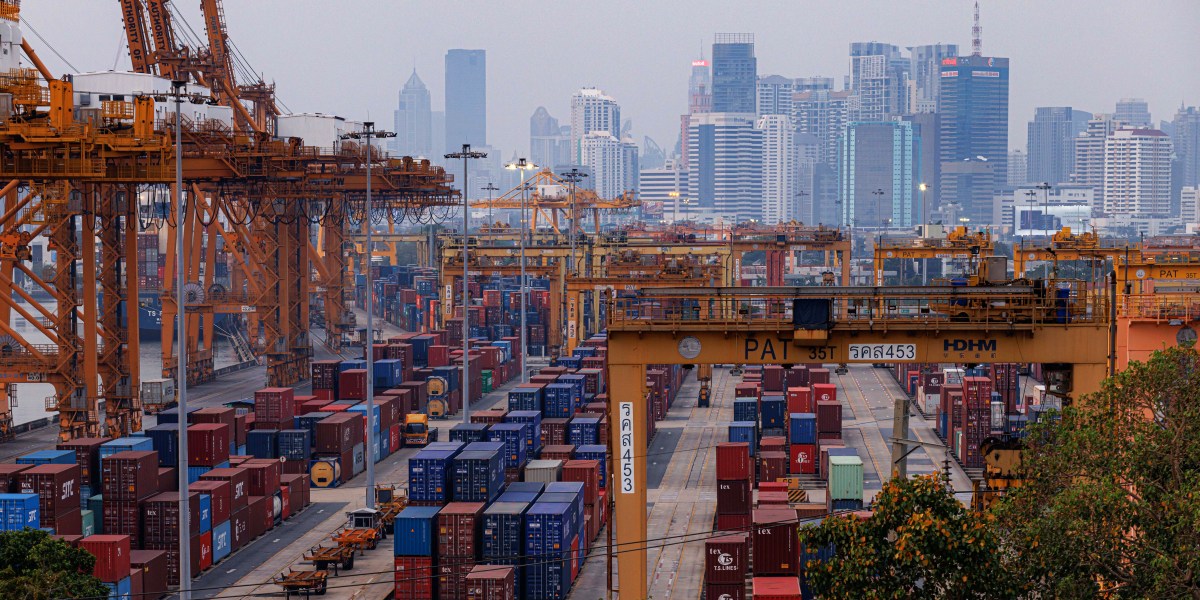
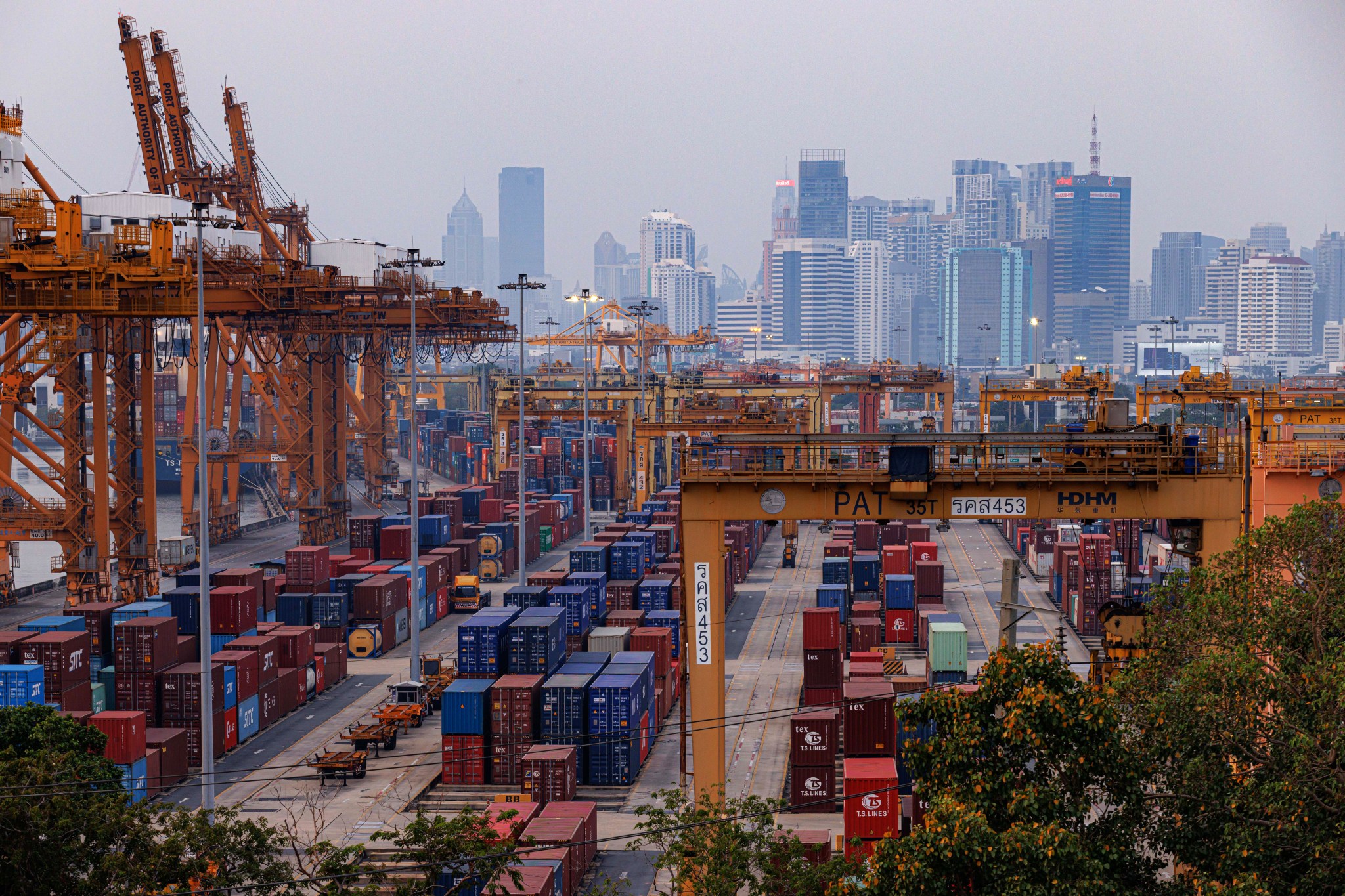
This is because many Chinese exporters turned to transshipping to reduce tariff payments—a process that led them to route goods through ASEAN countries before shipping them to the U.S.
Consequently, in 2025, the U.S. saw a reduction in Chinese goods, which were slapped with steep 40% tariffs, and an increase in ASEAN imports, which had lower tariffs averaging 10%.
President Trump, meanwhile, sought to diversify U.S. supply chains by inking trade deals with four ASEAN countries—Thailand, Malaysia, Cambodia and Vietnam—and pledging America’s commitment to the region.
“Our message to the nations of Southeast Asia is that the US is with you 100% and we intend to be a strong partner and friend for many generations to come,” Trump told leaders at the ASEAN summit in Kuala Lumpur on Oct. 26, noting that two-way trade between U.S. and Southeast Asia had reached a record of $453 billion in 2024.
China too, has sought to deepen ties with their Southern neighbours, signing an upgraded Free Trade Agreement (ACFTA 3.0) with ASEAN at the same summit—and cementing its position as Southeast Asia’s largest trading partner.
This has translated into steady growth for the ASEAN region.
“ASEAN’s growth in 2025 (+4.8%) turned out to be resilient and largely unchanged from 2024,” Maybank’s analysts say in their ASEAN Macro 2026 Year Ahead report, adding that “the fog of uncertainty from tariffs has dissipated”.
Maybank also noted that ASEAN countries’ negotiations with the White House resulted in tariff rates that were much lower than the ones Trump initially threatened, which were as high as 46% for Vietnam and 36% for Thailand. Meanwhile exemptions for tariff categories like electronics, pharmaceuticals, energy and minerals further reduced the bite of the tariffs.
An ongoing shift to dealmaking
But with the U.S. midterm elections looming in Nov. 2026, Trump will likely shift his focus to dealmaking and reducing economic uncertainty, Macquarie’s analysts say.
This shift has already begun in recent months, they add, with the U.S. inking a bilateral framework agreement with the EU in July, and a deal to lower tariff rates for China in late October. Several partners have also signed similar tariff-slashing deals, including the UK and Japan.
“Looking ahead, we suspect the dealmaking approach to persist in 2026,” Macquarie’s analysts say, adding that notable potential deals include those with Mexico and Canada, which constitute 27% and 32% of U.S. exports.
Despite this, experts say that relations between the US and China will likely remain tense. “Relatively high tariffs on China could result in a further diversification of supply chains across Asia, with Chinese manufacturers shifting additional production to economies in the region,” Macquarie’s report reads.
This story was originally featured on Fortune.com
