

GLP-1s are the hottest drugs on the market. While doctors have prescribed these drugs to treat type-2 diabetes for decades, these treatments broke into the public consciousness when they started to be used for weight loss.
U.S. approval of Novo Nordisk’s anti-obesity drug Wegovy and Eli Lilly’s Zepbound has fueled the meteoric growth of both companies.
Now, this lucrative discovery could offer a new benefit to patients: longevity.
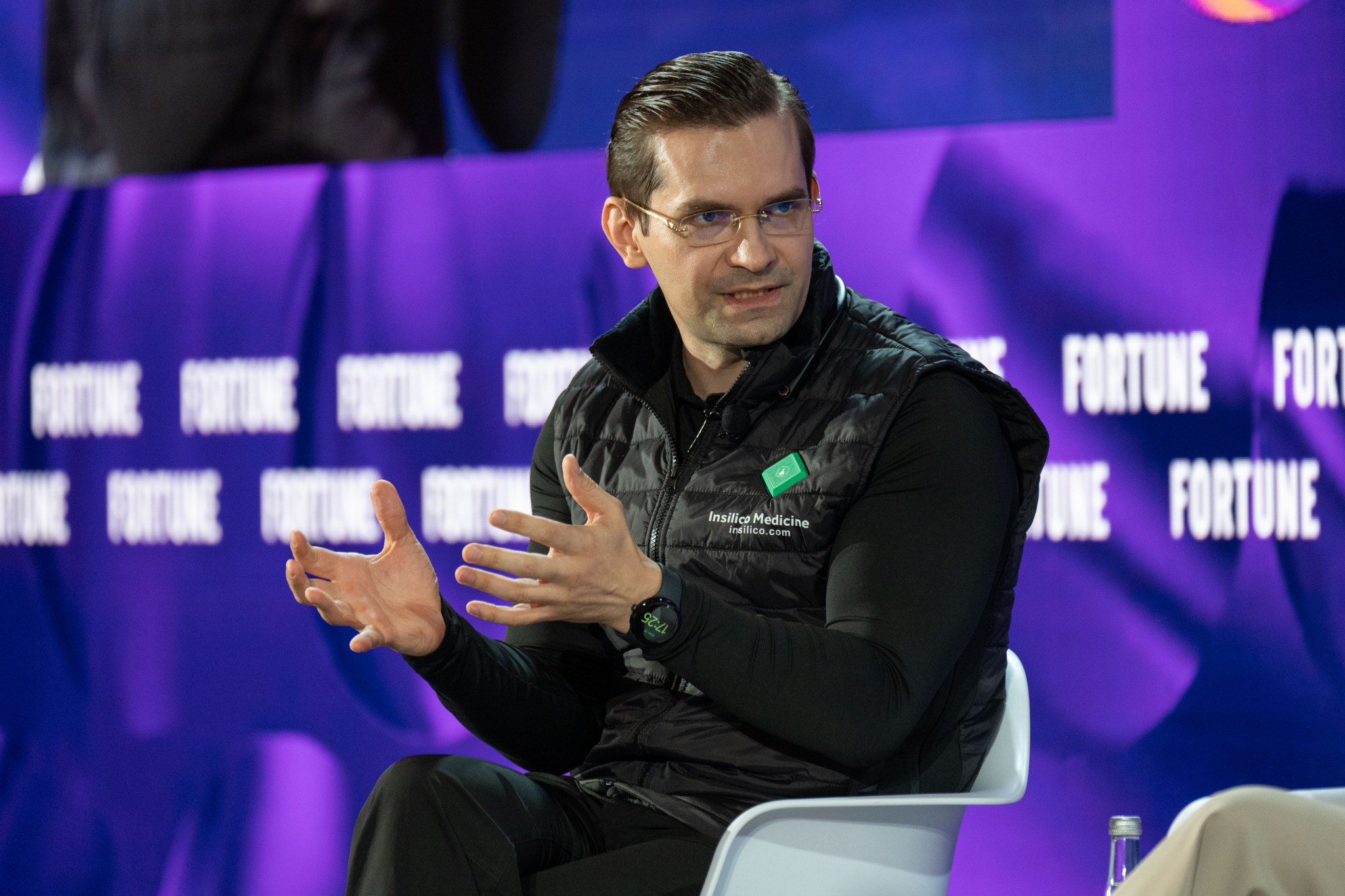
“There are signals that GLP-1s could be the first true longevity drug,” Alex Zhavoronkov, the founder and CEO of Insilico Medicine, said Monday at the Fortune Innovation Forum in Kuala Lumpur, Malaysia.
Top scientists from both Novo Nordisk and Eli Lilly have suggested that GLP-1s could have broader effects than just tackling obesity and diabetes. “They found that the regular intake of this drug may reduce the incidence of many age-related diseases, including some CNS (central nervous system) disorders, liver disease, and kidney disease,” Zhavoronkov said.
Global spread
Obesity rates are rising worldwide as emerging markets grow wealthier, leading to greater food consumption and more sedentary lifestyles.
There’s an “obesity pandemic,” said Adele Wong, a dietitian and nutritionist from Nutrition Track, on Monday.
By 2050, over half of adults worldwide will be obese or overweight, predicts a study published in March by The Lancet.
Malaysia in particular is at risk. Just over half of Malaysians are already obese, thanks to a cuisine that relies on oily food, greater access to processed food, and the rise of a more sedentary, car-centric lifestyle as the country gets wealthier.
This costs the country 64 billion Malaysian ringgit ($15.4 billion) a year, due to treatment and care, the economic cost of premature death, and lost productivity, Wong said.
Still, emerging regions like Southeast Asia are slow to pick up GLP-1s. “It’s still in its early stages,” Wong noted. She pointed to a widespread stigma around both obesity and a narrative that weight-loss drugs are “the easy way out.”
“Obesity is a disease, and when you get sick, you do need medication. You do need treatment,” she said.
How GLP-1 drugs work
Technically speaking, treatments like Wegovy aren’t weight loss drugs. Instead, these treatments help obese patients suppress their appetites. Praful Chakkarwar, general manager at Novo Nordisk, says that this helps patients build and sustain healthy habits.
Wong echoed this sentiment. “Food noise…makes it harder for [obese people] to eat their vegetables and get out the door to exercise. But when they’re on these drugs, it’s amazing—they are able to actually do these healthy habits easier,” Wong said. “In my client’s words, it gives them hope.”
Looking to the future, Chakkarwar said the pharmaceutical industry is at the cusp of several GLP-1 related discoveries. Many companies are developing drugs to counteract side effects from GLP-1s, which include muscle loss and macular degeneration—an eye disease that may cause vision loss.
They are also working to make the intake of GLP-1s more convenient, he said, such as creating pills which can be consumed less regularly.
“A lot of these patients have other chronic conditions. They may have diabetes, dyslipidemia, or high blood pressure, so they are on multiple drugs. Some of them might actually be very happy to just take it [GLP-1s] once a week or once a month, rather than taking the tablet on a daily basis,” Chakkarwar said.
