
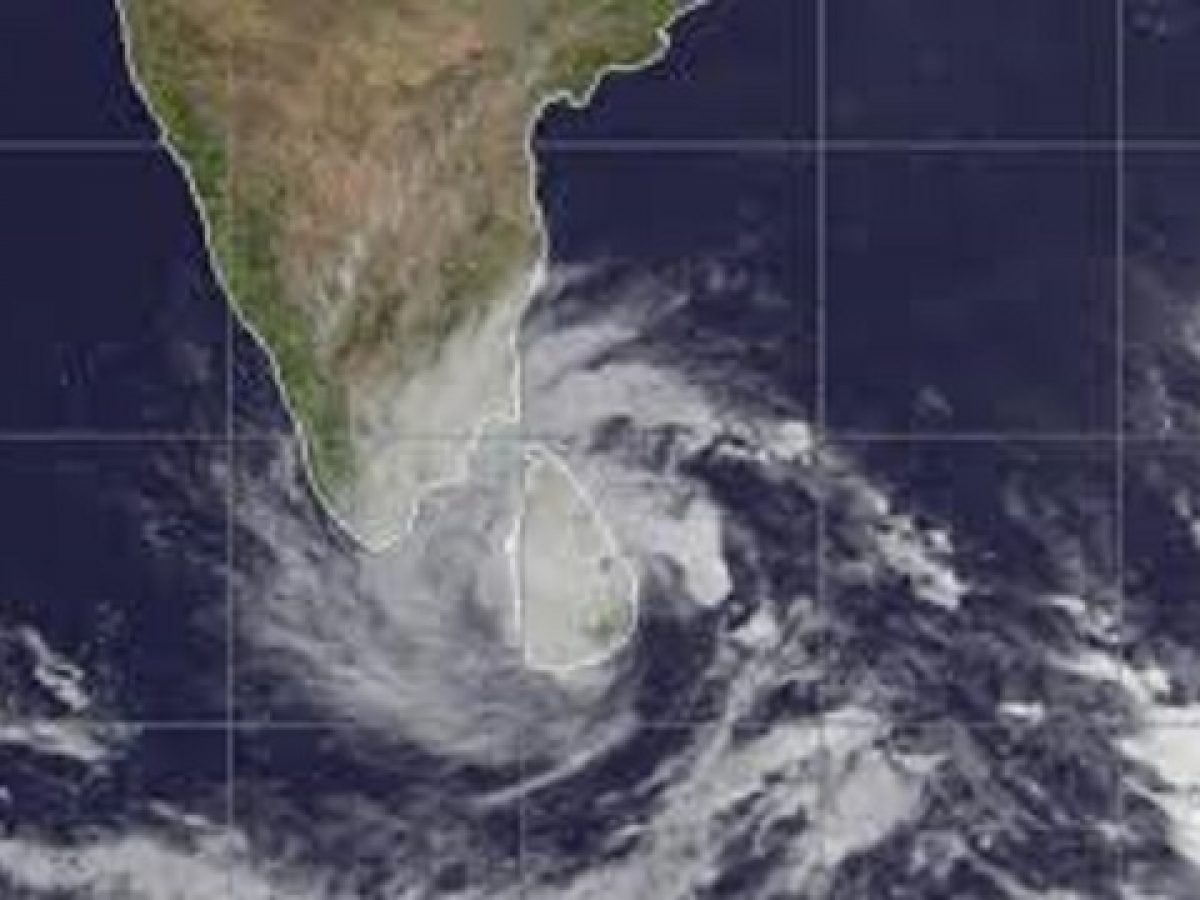
 The fading deep depression left by Cyclone Ditwah continued to lash Chennai and neighboring districts on Monday, prompting an orange alert for intense rainfall and strong winds.
At dawn, the system hovered just 50 km away from Chennai, with weather authorities warning of rainfall totals reaching 11–20 cm across the capital and surrounding areas, including Kancheepuram, Chengalpattu, and Puducherry.
Gale and squally winds, measured at 60–80 kmph, battered coastal Tamil Nadu, Puducherry, and parts of Andhra Pradesh, while fishermen were urged to stay off the sea. The India Meteorological Department expects the depression to weaken further and move nearly parallel to the coast, gradually losing intensity by midday.
Coastal residents and commuters are advised to remain cautious as waterlogging and traffic disruptions are likely until the system passes.
City officials have been racing to tackle waterlogging and traffic snarls as the rain bands from the weakened system continue to sweep across Chennai. Low-lying neighbourhoods have reported stagnant water, forcing civic workers to deploy pumps and clear clogged storm drains through the day.
Public transport, including buses and suburban trains, has been running with delays, while motorists have been urged to avoid inundated stretches wherever possible.
Along the coast, strong winds and high waves have kept fishing boats anchored, dealing a fresh blow to communities that were only just recovering from earlier monsoon disruptions. Relief teams have been put on standby in vulnerable pockets prone to flooding and fallen trees, with schools and offices in some areas advising work-from-home or early closures.
Residents have been asked to stay indoors during intense spells, keep emergency supplies ready and follow only official weather advisories.The episode has once again underlined how even a weakening cyclone remnant can strain a city’s infrastructure when drains, canals and lakes are not maintained year‑round.
Urban planners are stressing the need to restore natural waterways, enforce building norms in flood‑prone zones and upgrade pumping capacity ahead of future monsoon seasons. For Chennai, the passing of Ditwah’s remnants is less an end than another reminder that climate‑resilient planning can no longer be postponed.
