
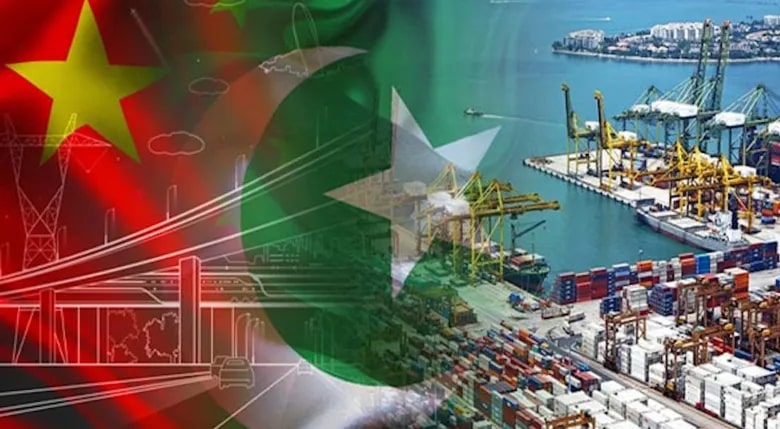
Chinese investment in Pakistan is shifting in a way that rarely appears in public debate. While conversations usually focus on CPEC and its large government-backed projects, the on-ground reality now includes a very different class of Chinese investors. A review of more than 2,000 registered Chinese firms shows a landscape driven by private enterprise rather than state-led megaprojects.
Instead of only motorways, power plants, and the Gwadar narrative, Pakistan is seeing a steady rise in small and mid-sized Chinese companies. These firms include:
- Trading houses
- Solar and machinery suppliers
- Small manufacturers
- Engineering workshops
- Consultancies
- IT service providers
- Import-export companies
- Mining exploration outfits.
They are arriving quietly, setting up operations across major cities, and adapting quickly to local market gaps.
Almost 49% of these firms are registered in Islamabad. Industry insiders say this reflects the city’s regulatory access and its link to CPEC coordination. Yet the sector breakdown offers a clearer picture of how China’s economic presence has changed. Trading and import–export outfits make up 28% of all firms. Construction and engineering companies remain strong but not overwhelming. Energy companies are part of the mix but no longer dominate. The rest spans IT, mining, ceramics, services, and niche industrial operations.
This activity signals a shift away from the state-to-state model that has long defined China’s major investments. The new wave is entrepreneur-led, fragmented, and focused on finding commercial opportunities rather than waiting for government frameworks. It mirrors Chinese business patterns seen in Southeast Asia and parts of Africa, where private investors test new markets with small but persistent ventures.
Western capital often arrives through multinational corporations, development finance institutions, or structured corporate partnerships. Chinese investors in Pakistan are now moving differently. They include family-run enterprises and mid-sized manufacturers that prefer direct market entry and flexible operations.
This growing layer of private Chinese businesses could reshape Pakistan’s economic landscape over time. It may influence employment, strengthen supply chains, and introduce new working cultures. Most importantly, it broadens the definition of Chinese investment in Pakistan beyond the familiar images of highways and hydropower, revealing a deeper and more diverse economic footprint taking shape in the country.
