
Around 40 per cent of athletes would not call out poor behaviour like racism, bullying and discrimination, according to a report from Sport Integrity Australia (SIA).
The Positive Behaviours in Sport Study — surveying more than 1,200 community and professional athletes and coaches — found 46 per cent of athletes would not report body shaming, 43 per cent racism, 40 per cent bullying, and 38 per cent inappropriate sexual behaviour.
Athletes said they often would not think the behaviour was serious enough or believed their reports would not be taken seriously.
“This is a call to action for all of us in sport,” SIA chief executive Sarah Benson wrote in the report’s introduction.
Sport Integrity Australia said the findings were a reminder of how hard it is to call out poor behaviour. (ABC News: Michael Lloyd)
“We must continue to evolve our education and communication so that every participant understands what and how to report, and to ensure they feel empowered to speak up.”
Calling out poor behaviour ‘tricky’
SIA director of education Alexis Cooper said the study revealed how hard it could be for people to call out poor behaviour.
“The findings show that speaking up as an athlete in particular is really difficult sometimes and can be really tricky,” Cooper said.
“It’s not just true of sport. I think speaking up in the workplace can be difficult [and] speaking with friends and family can be difficult.”
Researchers surveyed 879 athletes and 325 coaches for the report.
Sideline parents asked to ‘watch, enjoy, keep your mouth shut’
Of those, 81 per cent played community sport, 10 per cent were state athletes and 9 per cent national/international athletes.
The survey also captured responses from 66 children between 15 and 18, of whom 21 per cent said they had been forced to train to the point of distress or pain.
The same percentage of children said they had been yelled at in an aggressive manner as a method of discipline or punishment.
Cooper said despite widespread coverage of child abuse in sport, old-fashioned notions were still prevalent in Australia.
“[Things like] people saying ‘no pain, no gain,'” she said.
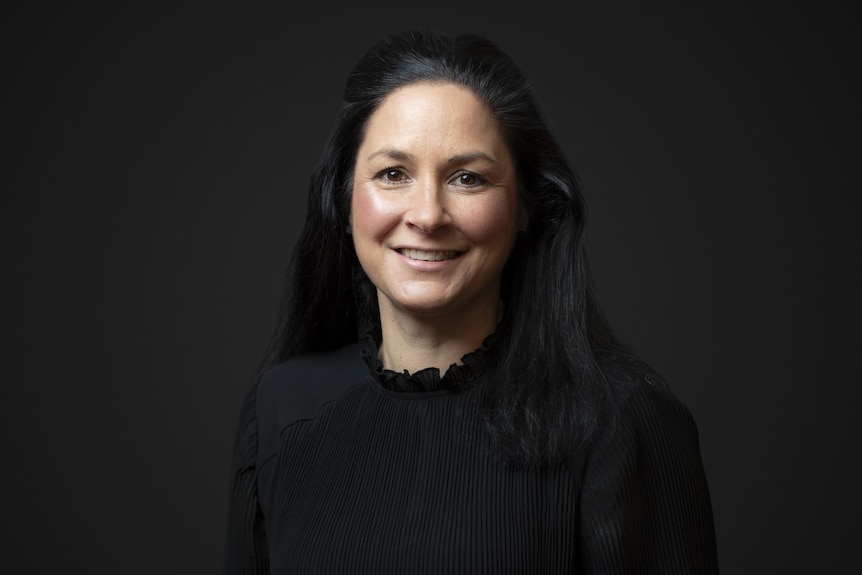
Sarah Benson said the report was a “call to action”. (AAP: Sport Integrity Australia)
“Some of these things don’t change overnight and it takes a bit longer for expectations and standards to really sink in.”
The number of athletes who said they witnessed poor behaviour (33 per cent) was more than four times higher than those who said they had experienced it (7 per cent).
Most commonly, that abuse came from other athletes.
Stream End Game with Tony Armstrong on ABC iview
“I think there sometimes can be a perception that it’s OK to [verbally abuse people] in sport, even if it might not be OK anywhere else in life for society or communities,” Cooper said.
“So for us there’s a big education push to say the expectations of behaviour in sport are the same as anywhere else — you don’t verbally abuse other people in life and the same goes in sport.”
Verbal abuse most common
The most common forms of adverse behaviour were verbal abuse and body shaming, which 7 per cent of athletes said they had experienced.
Among coaches, 17 per cent said they had experienced verbal abuse.
SIA said the study established a baseline for tracking behaviours and attitudes to identify trends and address risks.
ABC Sport Daily podcast
“It’s a five-year study, so this year we just did athletes and coaches, and we’re just in the process of expanding it to also measure experiences and behaviours from parents as well as administrators,” Cooper said.
The survey also showed how widespread gambling was in the sporting world, with 35 per cent of athletes and 42 per cent of coaches reporting they had placed a bet on their own sport in the previous 12 months.
SIA said that did not necessarily represent a breach of sport wagering policy, which varies from sport to sport.
Cooper said the findings of the report were largely positive, with 88 per cent of athletes and 87 per cent of coaches saying Australian sport was safe and fair for everyone.
“The fact that the overwhelming majority of participants feel that sport in Australia is safe, fair and fun for everyone is excellent,” she said.
“But the reality that we have to accept is that it’s not the case for everyone.”

